AAV Capture
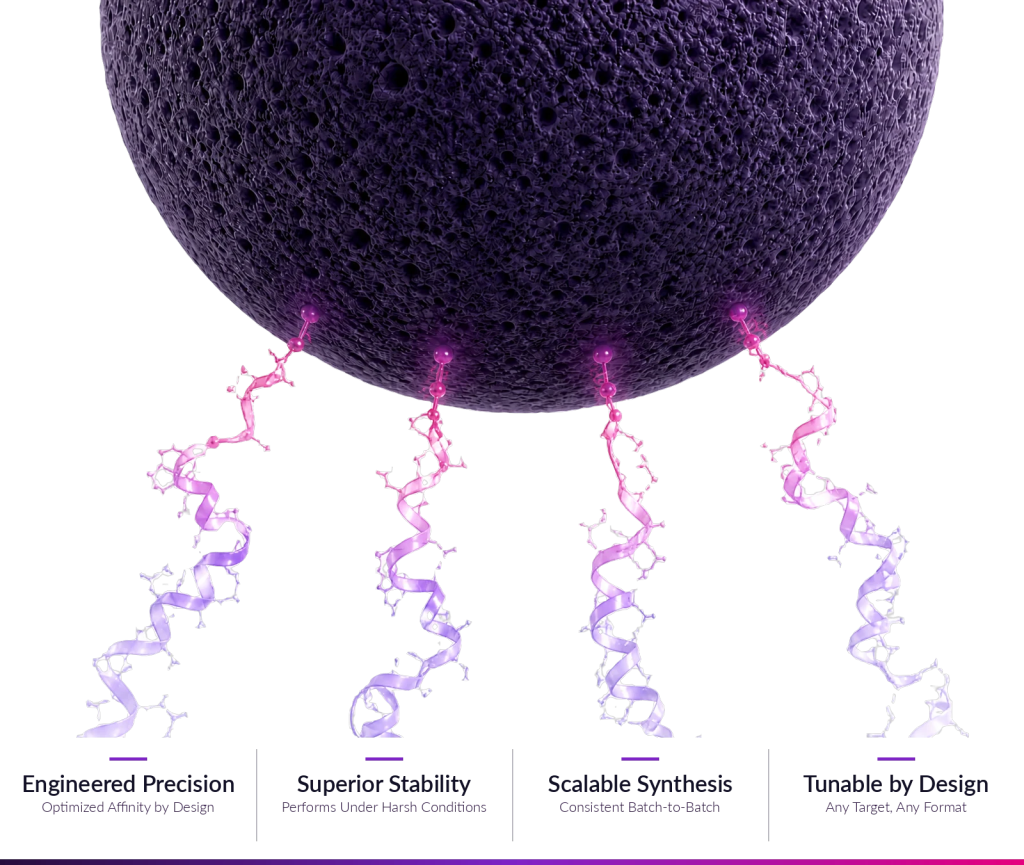
AvXcel™ Affinity Chromatography
Universal binding. Mild elution pH. Higher functional recovery.
A purpose-designed affinity chromatography resin to overcome downstream processing bottlenecks in adeno-associated virus purification.
Viral Vector Impurities
HCP/DNA Clearance
Move beyond non-selective impurity clearance.
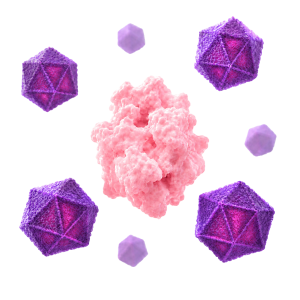
Introducing our targeted HCP removal approach for viral vector processes. Improve downstream robustness without compromising yield.
ChromaGenix experts identify your key impurity bottlenecks and define the requirements for more effective impurity clearance.
mAb/rProtein Impurities
HCP/DNA Clearance
Control complex impurity profiles without compromising recovery, product quality or process robustness.
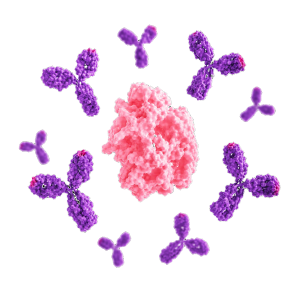
ChromaGenix goes beyond bulk impurity reduction by targeting persistent and high-risk HCP subsets while preserving product recovery and ease of fit into established downstream workflows.
Our experts identify your key impurity bottlenecks and define the requirements for more effective impurity clearance.
Lentiviral Vector Purification
Affinity Capture & Functional Recovery
Preserve functional vector while simplifying purification.
Our pseudotype-aware affinity approach is being developed to improve lentiviral vector recovery, impurity clearance and process consistency while reducing the need for repeated purification redevelopment across evolving LVV pipelines.
NAVIGATE is currently open to LVV process teams globally, providing early access to emerging technology, expertise and insight to shape the next-generation of LVV purification media.
mRNA Purification
dsRNA & Impurity Control
Resolve dsRNA at the affinity capture step | reduce downstream polishing burden.
Double-stranded RNA is one of the most consequential impurities that can persist through conventional Oligo-dT capture. This introduces downstream burden, added polishing complexity, and immunogenicity risk.
ChromaGenix technology separates dsRNA and mRNA as distinct chromatographic species at the capture step, reducing dsRNA to near-LOQ levels across multiple mRNA constructs in development testing.