High selectivity capture, reducing polishing burden, preserving transcript recovery and supporting a more scalable workflow.
log
>0
dsRNA reduction reported in ChromaGenix development studies
Reduction goal
0x
for dsRNA burden vs Oligo-dT workflows
Distinct RNA species
0
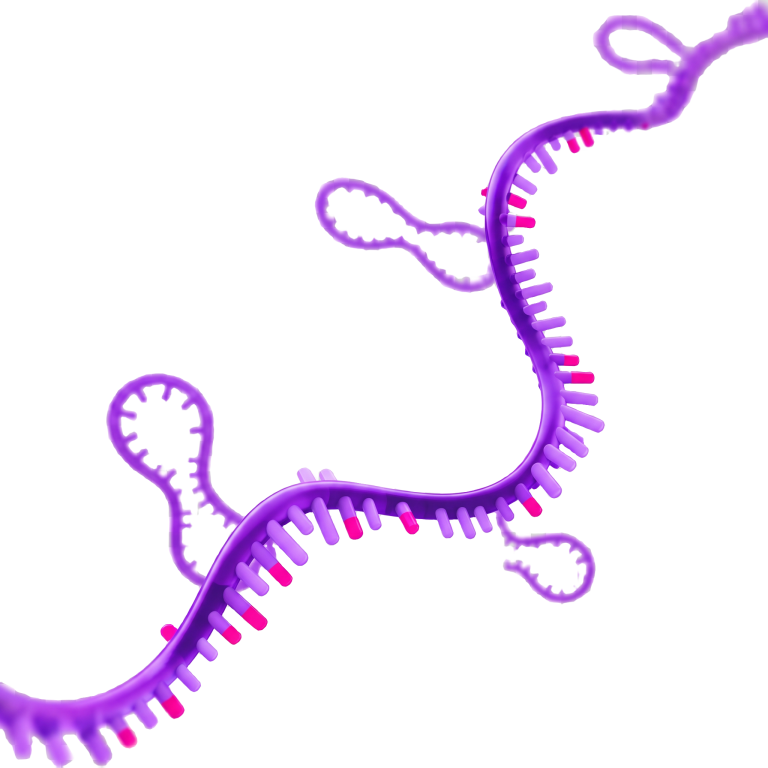
mRNA and dsRNA resolved as distinct chromatographic species
Cleaner mRNA capture through better impurity discrimination.
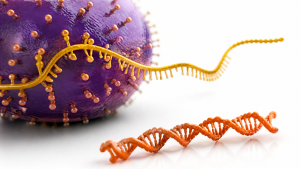
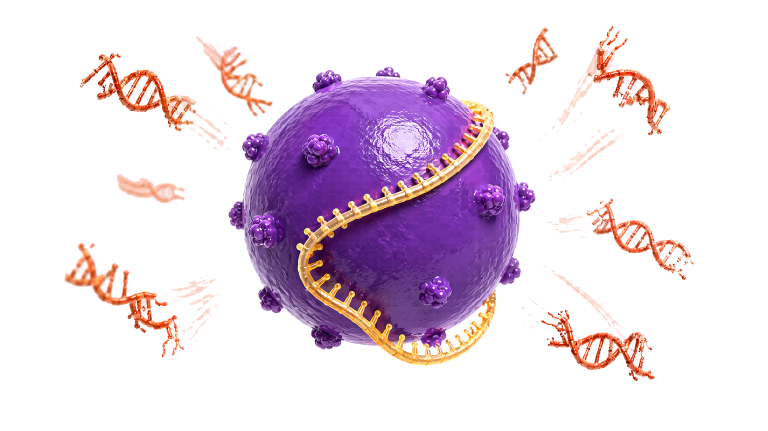
Conventional oligo-dT capture enriches polyadenylated mRNA efficiently, but dsRNA and high-molecular-weight RNA impurities can carry through. A more selective primary capture step could reduce that burden earlier, while preserving transcript recovery and integrity and supporting a more scalable workflow.
Current mRNA Purification Workflows Create Pressure at Scale
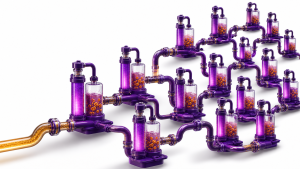
Oligo-dT remains the chemistry of choice for mRN A capture, but the products available today were not designed for the throughput, reproducibility, and cost targets required at commercial scale. HPLC-based dsRNA clearance adds performance but introduces cost and complexity that limits its viability beyond clinical volumes.
01
dsRNA can persist through conventional capture
Oligo-dT enriches poly-A mRNA effectively but does not reliably remove all high-molecular-weight impurities. dsRNA can remain a meaningful downstream burden, elevating product-quality and immunogenicity concern.
02
Extra clearance steps add complexity
When dsRNA is not controlled at primary capture, additional operations are required — increasing complexity, reducing throughput and making scale-up less attractive operationally and economically.
03
Commercial economics expose resin limitations
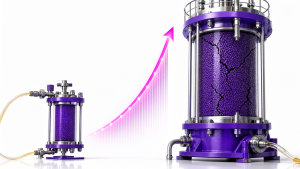
Resin capacity, reproducibility and cost per gram become visible as programs move beyond clinical supply. What feels manageable at small scale becomes a real barrier at volume.
04
Better capture would change the whole workflow
A more selective capture step could do more than improve one unit operation. By reducing impurity burden earlier, it may simplify the workflow and create a cleaner path to scalable manufacturing.
A More Selective Approach to mRNA Capture
A useful mRNA capture technology must improve impurity control without compromising the transcript attributes the final product depends on.
Address dsRNA during primary capture rather than relying entirely on later polishing operations for clearance.
Preserve transcript recovery and integrity
Balance impurity discrimination with the recovery, structural integrity and functional performance the mRNA product requires.
Accommodate construct diversity
Evaluate performance across sequence, transcript length, nucleotide modification, secondary structure and poly(A) configuration.
Deliver a cleaner capture eluate
A cleaner capture eluate could reduce polishing burden, improve throughput and support more practical scale-up and manufacturing economics.
mRNA Purification: Resolving dsRNA at the Affinity
Capture Step
This application falls under our NAVIGATE program, connecting you with process expertise, new purification technologies, new insights and collabration opportunities to shape and implement a GMP-ready solution.
Whether you’re exploring purification solutions, have a technical question, or want to learn more about our technologies, we’re here to help. Complete the form and a member of our team will be in touch shortly.
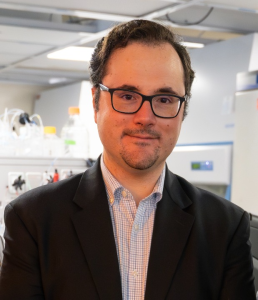
Chris is responsible for identifying investment opportunities, assessing strategic fit within the portfolio, and supporting growth-related operational initiatives. A serial entrepreneur with over 20 years of bioprocessing experience, he has deep expertise across upstream and downstream technologies. Prior to BioProcess360, he founded and led the Purolite Bioprocessing division, growing it from zero revenue in 2015 to $80M in six years. The business was acquired by Ecolab (NYSE: ECL) in 2021 for $3.7BN. Earlier, Chris helped pioneer single-use technology at WAVE Bioreactors, later acquired by GE Healthcare (now Cytiva), and held senior roles at GE and Merck Millipore. He holds an MSc in Biotechnology and attended Harvard Business School. Outside work, Chris enjoys biking, paddleboarding, live music, and spending time with his two daughters.